Source biodegradable petg 3d printer filament for Architecture, Desktop, and FDM
Source biodegradable petg 3d printer filament from 30 available listings. Compare specifications such as 1.75mm diameter, FDM forming technology, and compatible desktop printers to find suitable materials for architecture and general prototyping needs; compare the available evidence and request quotations based on your requirements.
Key considerations
Products List


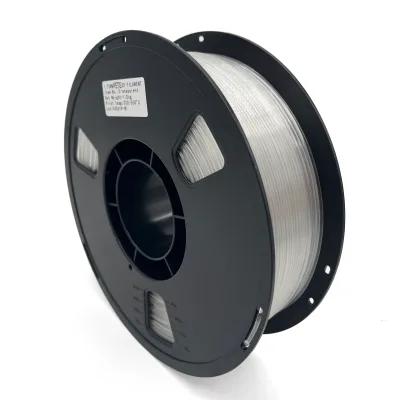


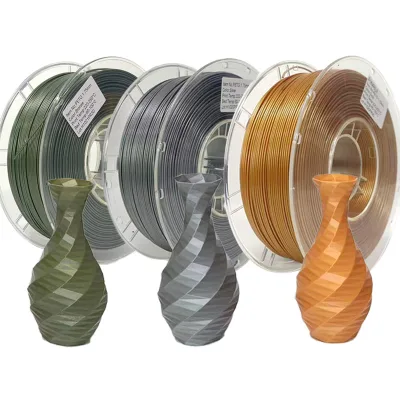


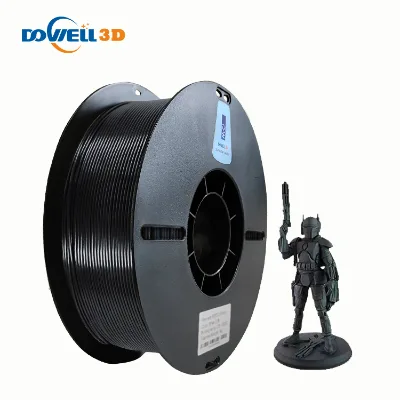
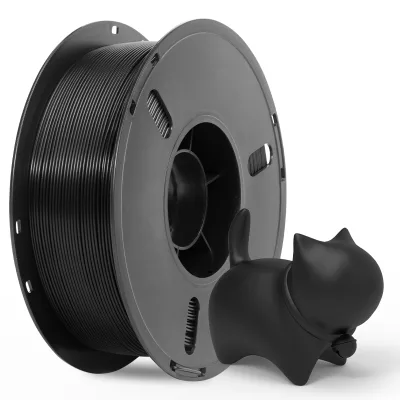

Comprehensive Sourcing Guide
Biodegradable PETG 3D Printer Filament Sourcing Guide
Procuring biodegradable PETG filament requires careful distinction between standard thermoplastic properties and eco-friendly variants, as the supplied data indicates a mix of PLA, standard PETG, and specialized blends like carbon fiber composites. Buyers must verify whether the specific batch labeled as PETG actually meets biodegradability claims, as many listings conflate general recyclability with certified compostability. The observed product range includes models from manufacturers such as Esun and Creality, with specific model numbers like Fba_Ig-C-Plapro175b1 and Bambu Lab support variants, suggesting a diverse market of compatible materials.
Sourcing decisions should prioritize transparency in material composition, as the presence of additives like carbon fiber or specific polymer blends can alter degradation rates and mechanical performance. The data shows a wide variance in product models, from basic PLA to advanced PETG formulations, indicating that buyers cannot assume uniformity across all listings. It is critical to confirm that the filament’s chemical structure aligns with intended end-of-life disposal methods, ensuring that the material does not persist in the environment as conventional plastics do.
Product Scope and Observed Listing Signals
The observed market signals reveal a broad spectrum of filament types, including PLA, PETG, and specialized composites, with colors ranging from black to white and translucent options. Listings indicate compatibility with desktop printers and all FDM printers, suggesting a versatile application scope for hobbyists and small-scale industrial users. The presence of specific model identifiers like "kingrow petg" and "Creality CR-PETG" highlights the importance of matching filament specifications to printer hardware, particularly regarding nozzle temperature ranges and extrusion consistency.
Packaging dimensions and weights vary significantly, with some items listed at 1kg net weight and others at 15kg bulk packs, reflecting different procurement scales. The observed packing formats include cartons, box packages, and specific dimensions like 434323cm, which impact logistics and storage planning. Buyers should note that while some products claim biodegradability, the actual material properties, such as melting temperatures around 163°C to 230°C, must be cross-referenced with the claimed environmental benefits to avoid misalignment with sustainability goals.
Technical Specifications to Verify
Technical verification must focus on diameter consistency, with the observed standard being 1.75mm, which is critical for reliable feeding in FDM printers. Buyers should confirm the nozzle temperature range, typically observed between 190-230°C, to ensure compatibility with their existing printer hardware and to prevent clogging or under-extrusion issues. The melting temperature of approximately 163°C for certain PLA variants serves as a baseline, but PETG and composite filaments may require higher thermal inputs, necessitating precise calibration.
Additional specifications such as printing speed limits, often cited as less than 600 mm/s, and layer thickness tolerances around 0.1mm to 0.27mm, influence production efficiency and part quality. The presence of single-nozzle configurations and compatibility with software formats like .stl and .obj underscores the need for seamless integration with digital workflows. Buyers must verify that the filament’s physical properties, including weight and packing density, align with their production volume requirements to avoid supply chain disruptions.
Compliance and Safety Documentation
Compliance verification is essential, particularly regarding the biodegradability claims, as the supplied data does not explicitly confirm certification status for all listed products. Buyers should request documentation proving that the filament meets recognized compostability standards, such as ASTM D6400 or EN 13432, to ensure that the material breaks down under industrial composting conditions. The absence of explicit certification details in the observed listings necessitates direct inquiry with suppliers to validate environmental claims and avoid greenwashing risks.
Safety documentation should include material safety data sheets (MSDAs) that outline handling precautions, particularly for filaments containing additives like carbon fiber, which may pose inhalation risks during printing. Buyers must ensure that the supplier provides clear information on volatile organic compound (VOC) emissions and other health-related parameters. Verifying that the product origin, noted as China, adheres to international safety and environmental regulations is crucial for maintaining corporate compliance and ethical sourcing standards.
Cost Drivers and Commercial Terms
Cost structures are influenced by material composition, with specialized blends like PETG carbon fiber likely commanding higher prices than standard PLA or PETG. The observed MOQ range of 1-1000 units suggests flexibility for both small-scale and bulk procurement, allowing buyers to optimize inventory levels based on demand forecasts. Pricing variations, observed between $0.1 and $30,000, reflect differences in quantity, packaging, and material complexity, requiring careful budgeting to align with project financial constraints.
Commercial terms should include clear definitions of lead times and shipping conditions, as the observed packing dimensions and weights impact freight costs. Buyers must negotiate terms that account for potential customs duties and import regulations, especially when sourcing from international suppliers. Understanding the total cost of ownership, including storage and handling expenses associated with bulk packs, is vital for accurate financial planning and ensuring that the procurement process remains cost-effective.
Supplier Qualification and Quality Control
Supplier qualification should prioritize manufacturers with a proven track record in producing consistent filament quality, as evidenced by the diverse model numbers and brand names observed. Buyers must assess the supplier’s ability to maintain tight tolerances on diameter and weight, which are critical for preventing print failures and ensuring part integrity. The presence of specific product models like "Esun PETG" and "Bambu Lab support for PLA" indicates that established brands are available, but due diligence is required to verify their quality control processes.
Quality control measures should include regular testing of mechanical properties, such as tensile strength and heat resistance, to ensure that the filament meets performance expectations. Buyers should request sample batches for testing before committing to large orders, particularly for specialized applications in architecture or other industries. Establishing a clear feedback loop with the supplier for addressing defects or inconsistencies is essential for maintaining long-term supply chain reliability and product quality.
Long-Term Procurement Checks
Long-term procurement strategies should include periodic reviews of supplier performance and product consistency, ensuring that the filament continues to meet evolving project requirements. Buyers must monitor changes in material composition or manufacturing processes that could impact the filament’s biodegradability or mechanical properties. Regular audits of supplier documentation and compliance status are necessary to maintain alignment with sustainability goals and regulatory requirements.
Building a diversified supplier base can mitigate risks associated with supply chain disruptions, allowing buyers to switch sources if quality or availability issues arise. Establishing long-term contracts with clear performance metrics and penalties for non-compliance can incentivize suppliers to maintain high standards. Continuous engagement with suppliers to discuss innovations in biodegradable materials and printing technologies will help buyers stay ahead of market trends and optimize their procurement strategies for future needs.
FAQs
What is the melting temperature for this filament?
The melting temperature is 163 degrees Celsius for specific PLA variants listed. Other models like PETG require nozzle temperatures between 190 and 230 degrees Celsius. Always verify the specific material type before printing to ensure optimal flow and layer adhesion during the FDM process.
Which printers are compatible with this filament?
This filament is compatible with all FDM printers, including desktop models. It is specifically designed for machines like Bambu Lab and Creality units. Ensure your printer supports the required nozzle temperature range to achieve the best results with either PLA or PETG materials.
What are the standard package dimensions for shipping?
Standard packaging dimensions vary by model, with some measuring 43 by 43 by 23 centimeters. Other configurations include 455 by 400 by 225 millimeters or 8.5 by 8.11 by 2.91 inches. All packages typically contain 15 kilograms or 1 kilogram of filament depending on the specific product listing.
Can I request customization for this filament?
Yes, customization is available for this filament product line. Buyers can request specific attributes to meet unique project requirements. This flexibility allows for tailored solutions while maintaining the core material properties required for high-quality 3D printing applications in various industries.
What is the minimum order quantity for purchase?
The minimum order quantity ranges from 1 to 1000 units depending on the supplier. Specific listings may have different thresholds based on the product model and material type. Buyers should check individual supplier pages to confirm the exact MOQ applicable to their specific order volume.
Where is this filament manufactured and shipped from?
This filament is manufactured in China and shipped from there. The origin is clearly stated for all listed products. Buyers should consider this location when calculating shipping costs and lead times for their international procurement needs.